Destiny Helping Hands Trains Caregivers to Protect Children.
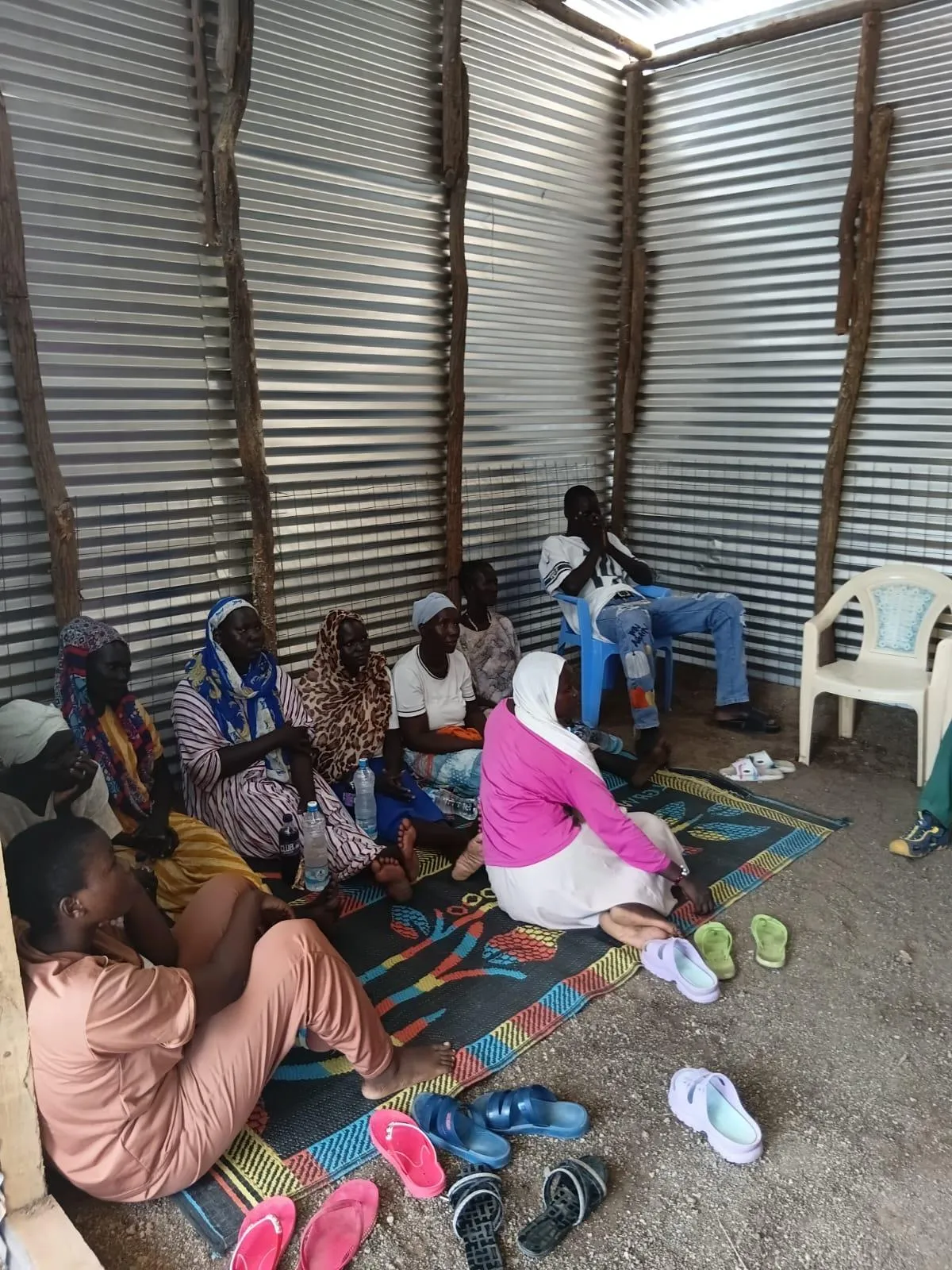
Kakuma Refugee Camp, Kenya — When a child loses a parent, survives abuse, or grows up without a stable home, the person who steps in to care for them carries an extraordinary responsibility. That caregiver is often the difference between a child who heals — and a child who falls further behind.
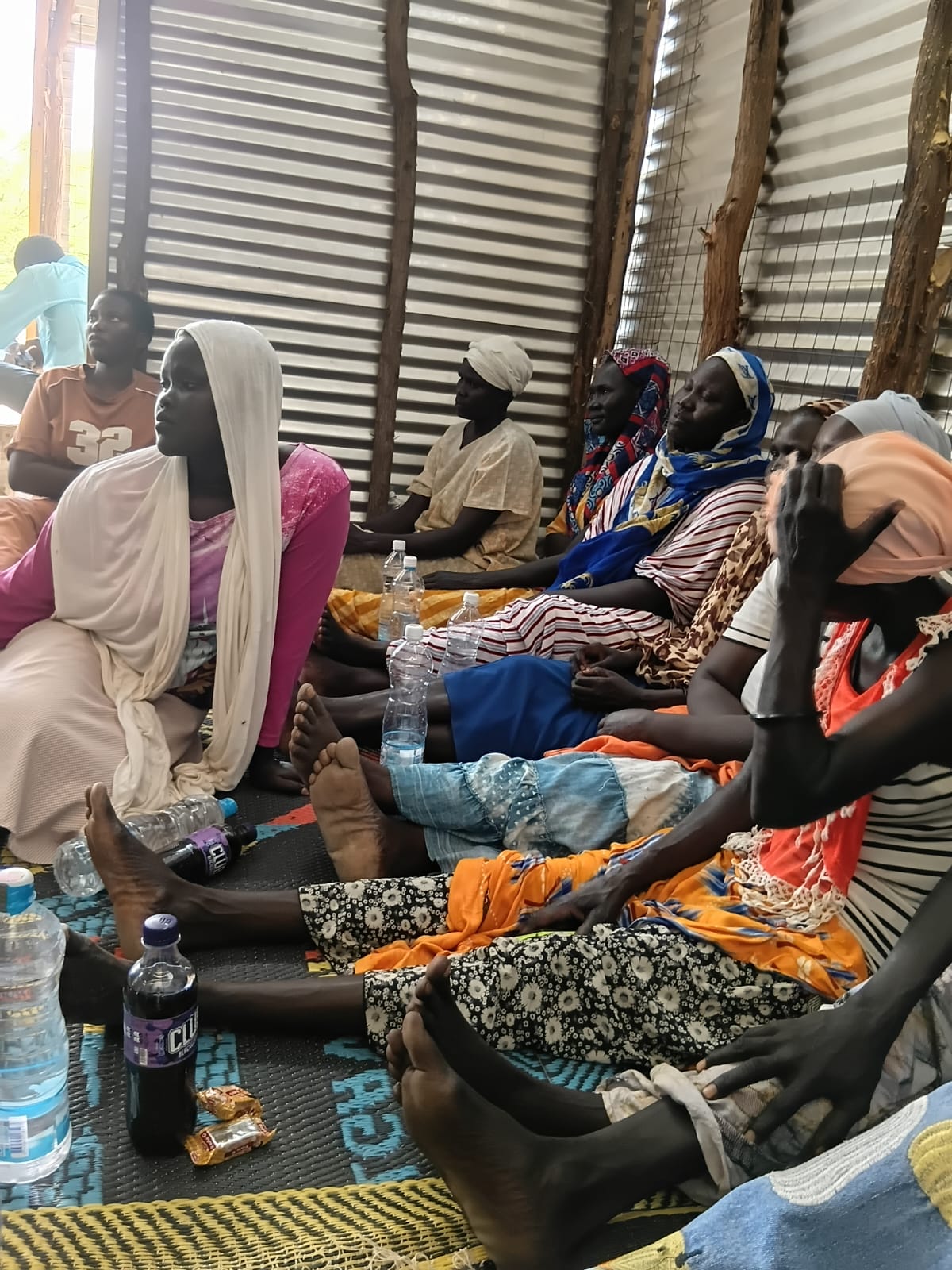
Destiny Helping Hands (DHH) understands this deeply. That is why the organization recently conducted a two-day intensive training for caregivers of orphans and street children in Kakuma, equipping them with the knowledge of child rights and the tools of positive parenting needed to create truly safe environments for the children in their care.
The Global Crisis Behind the Local Action
The numbers that frame this work are staggering.
The total number of children displaced by conflict and violence rose to 48.8 million by the end of 2024, including some 19.1 million refugee children and asylum-seekers. UNICEF DATA Between 2010 and 2024, the global number of displaced children nearly tripled from around 17 million to 48.8 million. UNICEF DATA
Over 40% of all forcibly displaced and stateless persons are children — and forced displacement can have a lifelong, devastating impact on their development. UNHCR
For children in Kakuma Refugee Camp, these are not distant statistics. They are daily realities. Orphaned by conflict, separated from parents, or surviving on the streets, the children DHH serves carry trauma that is both visible and invisible. During emergencies and forced displacement, children face increased risks of violence, abuse, and exploitation. UNHCR Without skilled, informed caregivers, those risks do not disappear at the doorstep — they can continue inside the home.
Why Caregiver Training Is Not Optional
Research and global humanitarian practice are unambiguous: a caregiver’s knowledge directly shapes a child’s safety and long-term wellbeing.
UNHCR’s child protection framework calls for promoting caregivers’ mental health and psychosocial well-being and strengthening their capacity to protect children — including through family strengthening and parenting skills programmes that specifically address risks for children within their families. UNHCR
In 2024, UNHCR’s community-based child protection initiatives reached 4.9 million children, complemented by positive parenting sessions for caregivers. UNHCR This global investment in caregiver capacity reflects a consensus that has been building for years: protecting children begins with empowering the adults around them.
In 2024 alone, UNICEF supported 18.5 million parents and caregivers through parenting programmes worldwide UNICEF — a scale that underscores how central caregiver education has become to international child protection strategy.
What DHH’s Training Was Designed to Change
Many caregivers arrive at their role without formal preparation. They may be relatives who inherited responsibility after a parent’s death, community members who opened their homes to a street child, or volunteers who saw a need and responded. Their hearts are often in the right place. But good intentions without knowledge can lead to harmful outcomes — including harsh discipline, emotional neglect, and the silent erosion of a child’s sense of dignity and worth.
DHH’s two-day training was designed to bridge that gap.
Caregivers received grounding in child rights — the understanding that every child, regardless of background or circumstances, holds rights that must be actively protected, not merely acknowledged. They were introduced to positive parenting approaches that replace fear-based discipline with trust, communication, and guidance. And they explored the realities of trauma-informed care: how to recognize the signs of emotional suffering in children who have faced loss, abuse, and displacement, and how to respond in ways that heal rather than harm.
UNICEF’s operational guidance for forcibly displaced children emphasizes integrating social and emotional learning and psychosocial support into caregiver training UNHCR — precisely the approach DHH put into practice across those two days.
Transformation, Not Just Information
The most powerful outcome of the training was not a certificate or a curriculum completed. It was a shift in perspective.
Caregivers left with a new understanding that the children in their care are not burdens to be managed — they are individuals with voices, rights, and futures that deserve active nurturing. The training created space for caregivers to reflect honestly on past practices, to ask hard questions, and to commit to a different approach going forward.
UNICEF’s 2024 Global Child Protection Report highlighted that over 100 governments pledged concrete measures to end violence against children UNICEF at a landmark global ministerial conference — recognizing that meaningful change happens at every level, from international policy down to the household. DHH’s training is that change happening at the most local level possible: in the hands and hearts of individual caregivers in Kakuma.
A Ripple Effect Across Generations
The mathematics of this work are simple and profound. One trained caregiver protects multiple children. Those children, raised with dignity and love, grow into adults who parent differently. Communities shift. Cycles break.
UNHCR’s data shows that in 2023, the risks most commonly reported for displaced children included unaccompanied or separated children, child labour, gender-based violence, physical violence or abuse, and child neglect UNHCR — nearly all of which are directly addressed when caregivers are equipped with the right knowledge and skills.
DHH is not waiting for a large-scale intervention to reach Kakuma. It is building that intervention from the ground up, one trained caregiver at a time.
Support the Work
Destiny Helping Hands was founded in Kakuma by refugees and members of the host community who believed that no child should be left behind. Every training session, every counseling visit, every child reached is powered by community commitment — and by the generosity of partners who believe the same.
To support DHH’s caregiver empowerment and child protection programs, visit destinyhelpinghands.org or contact the team
Because when we strengthen caregivers, we protect children. And when we protect children, we transform generations.
Sources: UNHCR Global Report 2024; UNICEF Annual Report 2024; UNICEF Child Displacement Data 2024; UNHCR Child Protection Emergency Guidance; UNICEF 2024 Global Annual Results Report – Goal Area 3.
